Understanding Forest Layers: From Canopy to Floor
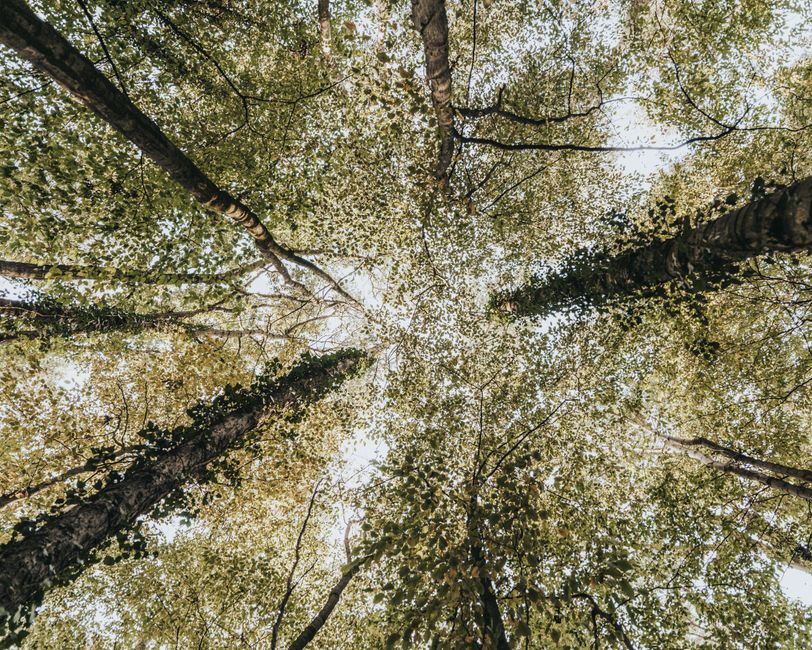
Forests are complex ecosystems composed of distinct vertical layers, each with unique environmental conditions and communities of organisms. Understanding these layers provides insight into how forests function and support biodiversity. From the sun-drenched emergent layer to the dark, decomposing forest floor, every level plays a crucial role in the overall health of the woodland.
This article explores the four primary forest layers: emergent, canopy, understory, and forest floor. We will examine the characteristics of each layer, the life forms that inhabit them, and the ecological interactions that connect them. By gaining a deeper appreciation of forest stratification, we can better understand the importance of preserving these vital habitats.
The Emergent Layer: Giants Above the Rest
The emergent layer consists of the tallest trees in the forest, often rising above the main canopy. These trees can reach heights of 45 to 55 meters or more, depending on the forest type. Because they are exposed to direct sunlight, wind, and temperature fluctuations, emergent trees have developed adaptations such as thick bark and deep root systems. Their leaves are often smaller and thicker to reduce water loss.
Life in the emergent layer is challenging. Only the most specialized animals, such as certain birds, insects, and occasionally monkeys, venture into this upper zone. For example, harpy eagles and hornbills are known to nest in the emergent trees of tropical forests. These species have keen eyesight and strong talons to hunt prey below. The emergent layer is also a crucial vantage point for dispersing seeds, as wind currents are stronger at these heights.
Human observation of the emergent layer typically requires research towers or drones, as it is difficult to access. Scientists study this layer to monitor climate change impacts, as emergent trees are sensitive to changes in temperature and precipitation. Understanding the emergent layer is essential for conservation efforts, as these trees provide habitat and resources for many other forest species.
The Canopy: A Thriving Ecosystem in the Sky
The canopy is the primary layer of foliage formed by the crowns of most trees. It acts as a dense roof that intercepts sunlight, creating a shaded environment below. The canopy is remarkably rich in biodiversity, hosting a vast array of plant and animal life. It is estimated that a significant proportion of forest species live in this layer, including insects, birds, mammals, and epiphytes like orchids and bromeliads.
Sunlight is abundant in the canopy, so photosynthesis occurs at high rates, producing much of the forest’s oxygen and biomass. The canopy also influences the microclimate beneath it by regulating temperature and humidity. Many animals in the canopy have adaptations for arboreal life, such as prehensile tails, gripping feet, and keen depth perception. For instance, monkeys, sloths, and tree frogs are common inhabitants.
Researchers often use canopy walkways or rope systems to study this layer. They investigate how canopy structure affects animal movement, pollination, and seed dispersal. The canopy also plays a role in nutrient cycling, as leaves and branches fall to the forest floor, providing organic matter for decomposers. Understanding canopy dynamics is crucial for managing forests sustainably and predict how changes in the canopy might affect the entire ecosystem.
The Understory: Where Shade Tolerants Thrive
Beneath the canopy lies the understory, a layer of shade-tolerant vegetation including shrubs, small trees, ferns, and juvenile plants. This layer receives only 2-5% of the sunlight that reaches the top of the canopy, so plants here have evolved to photosynthesize efficiently in low light. Many understory species have large, dark green leaves to capture limited light, and some have adaptations to attract pollinators in dim conditions.
The understory provides habitat for numerous animals that prefer the protection of dense vegetation. Insects, spiders, reptiles, and small mammals find shelter and food among the shrubs and young trees. Birds like wrens and thrushes often forage in this layer, while larger predators may hunt here. The understory also serves as a nursery for future canopy trees; many seedlings wait for a gap to open in the canopy before growing rapidly towards the light.
Forest management practices often consider the understory because it contributes to the next generation of trees. However, understory composition can vary greatly depending on soil conditions, moisture, and the history of disturbances like fire or logging. Monitoring the understory can provide early signs of ecological changes, making it an important focus for forest researchers and conservationists.
The Forest Floor: The Foundation of Life
The forest floor is the bottommost layer, composed of soil, leaf litter, decaying wood, and various microorganisms. It is a dark, humid environment with limited light, but it is teeming with life. Decomposers such as fungi, bacteria, and invertebrates break down organic matter, releasing nutrients back into the soil. This process is essential for nutrient cycling and soil fertility.
Many animals live on the forest floor, including insects, spiders, earthworms, and mammals like rodents and deer. These organisms rely on the abundant food sources provided by fallen fruits, seeds, and decaying material. Some species, like the forest elephant in Africa, are considered ecosystem engineers because they shape the vegetation and create pathways that affect other species.
The forest floor also plays a critical role in water filtration and storage. Its porous soil allows rainwater to percolate, recharging groundwater supplies and maintaining stream flow. However, the forest floor is vulnerable to human activities such as trampling, soil compaction, and the removal of leaf litter. Protecting the forest floor is essential for maintaining the health of the entire forest, as it supports the roots of all trees and the web of life beneath our feet.
Each layer of the forest is interconnected, and the health of one depends on the health of all. The emergent trees rely on the soil of the forest floor, while the animals of the canopy depend on the fruits and leaves that grow in the understory.
Interconnections and Ecological Significance
The forest layers are not isolated; they interact in complex ways that sustain the ecosystem. For example, canopy trees produce seeds that may germinate in the understory, and when a gap forms, the understory growth can eventually replace the canopy. Similarly, animals move between layers in search of food and shelter, transferring nutrients and energy within the system. Birds and insects that feed on canopy flowers may pollinate understory plants, while fruit-eating animals that live in the canopy disperse seeds as they excrete them on the forest floor.
Human activities such as deforestation, fragmentation, and climate change can disrupt these layer interactions. Removing the canopy exposes the understory and forest floor to harsh sunlight, leading to desiccation and altered species composition. Conservation efforts often focus on protecting forests as a whole, recognizing that each layer provides essential services. By studying the interconnections and the structural complexity of forest layers, we can develop better strategies for managing and preserving these invaluable ecosystems for future generations.